
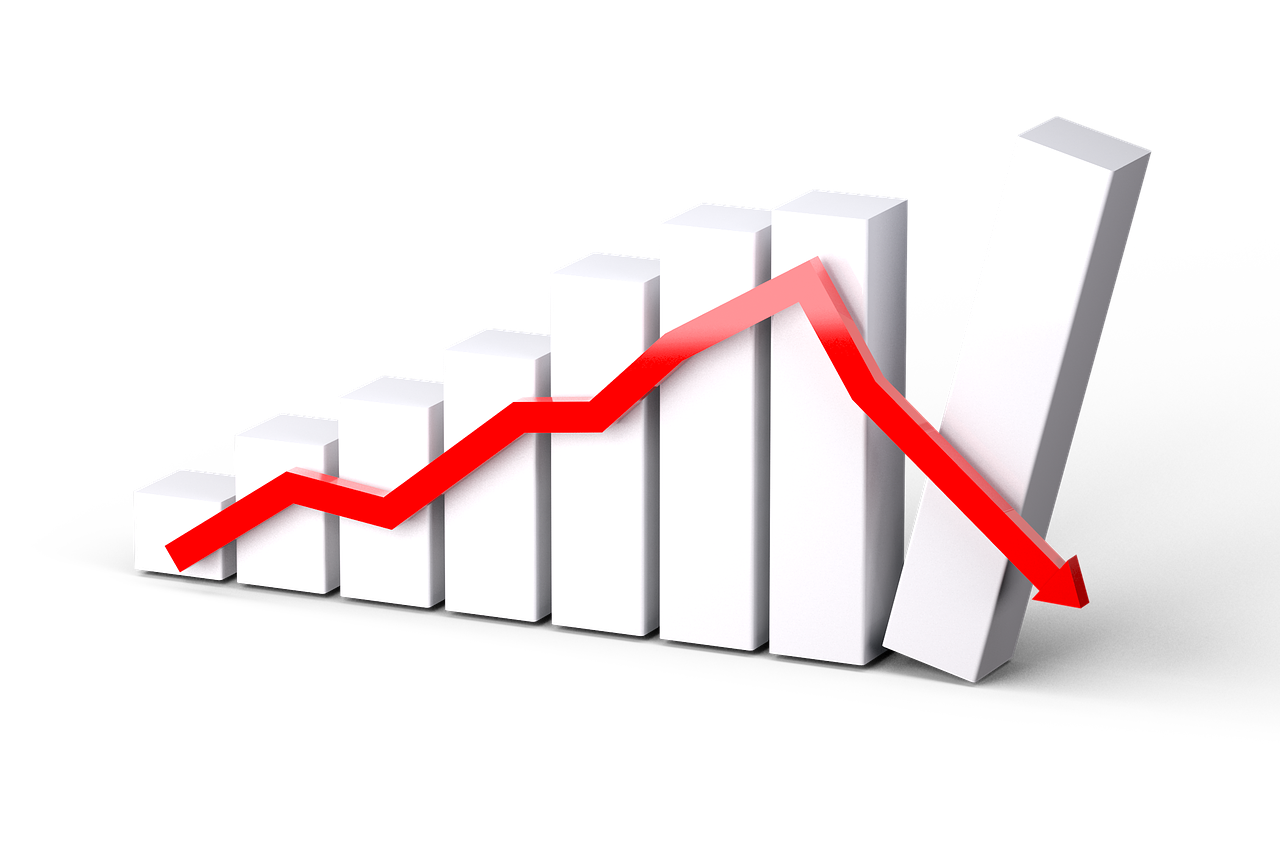
After a traumatic few months on the markets, there is probably one anniversary most people in the City would happily skip. Still, there is no avoiding it. On 19 October, it is 20 years since Black Monday, the day in 1987 when financial markets around the world went into simultaneous meltdown.
On the surface, there is plenty of reason to be spooked by the anniversary. In 1987, markets had been rising around the world, and were hitting fresh highs amid a global economic boom. We were in the middle of a merger and acquisitions bonanza, with swaggering tycoons launching hostile raids by the minute. Bonuses in the financial markets had been soaring, and so were house prices. Yet in the background, there were worries about trade imbalances and currency rates, and the stability of the global economy was deceptive. Plus, there were simmering tensions between the US and Iran: indeed, it was an American warship shelling an Iranian oil platform in the Gulf that was the immediate cause of the plunge.
Sound familiar? Two decades later we are in the middle of a bull market. The financial markets, until August anyway, were strong, and are still testing record highs. Iran and America are growling at one another again. Replace the private equity firms for the corporate raiders, and the financial picture looks very similar.
So could we see another crash? In truth, probably not. Although stock markets are by nature superstitious, there are good reasons why they have managed to chalk up two decades without repeating the calamitous one-day falls they saw in October 1987. There will still be plenty of bear markets but the chances are we will never see a similar one-day fall again.
Black Monday made the recent credit crunch look like a mere blip on the charts. On that day, the Dow Jones Industrial Average dropped by 22% in a single trading session. It wasn’t quite the largest one-day fall ever recorded on the Dow Jones: the index dropped by 24% on 12 December 1914, but that was the first trading day after the opening shots of World War One were fired, a good excuse for knocking down share prices a bit.
Of course, the crash was not just restricted to New York. Black Monday was a global meltdown. By the end of October, stock markets in Hong Kong had fallen by 45%, in Australia by 41%, in Spain by 31%, in Britain by 26%, and in North America by 22%. It was significantly worse than the stock market crash of 1929 – when the markets only fell by 12% in a single day – but fears that the collapse was the likely trigger to another global recession prompted central bankers to cut interest rates fast. Indeed, much of the economic story of the next decade was a response to that collapse.
There are four reasons for thinking a one-day collapse on that scale is unlikely today.
First, information systems are much better. The crash started in London, where the City was practically empty because of a storm that had whipped through the South East of England. Nobody knew what was happening. You still get storms, but they do not freeze the markets and there is less scope for a global panic. Valuation models have become more sophisticated. For share prices to change 25% in a single day tells us their valuations must have been radically wrong either the day before or the day after the crash; those kinds of mistakes are now less likely to be repeated.
Two, there are more counterparties. Twenty years ago, the markets were dominated by long-only, low-risk funds. Now, there is a far greater variety of financial instruments and funds, all with a lot more flexibility. Many people still like to complain that hedge funds and derivatives have made the markets more dangerous, but the evidence points in the other direction. As hedge funds grow in power, the markets have become more stable, not less. If the markets plunged even 10% in a day now, a lot of hedge funds would start buying, and that would put a floor under prices.
Three, the trading systems are better. In the wake of Black Monday, much of the blame was pinned on new-fangled computerised trading. Relatively small drops in the index generated waves of automatic selling, which no one could get under control. Computers are still dumb, of course: look at the way a few quant funds that use computer models to trade on got into trouble following the credit crunch this summer. But the computers and programmes have become more sophisticated.
Four, the central banks are more accommodating. In fact, 1987 marked the beginning of the so-called “Greenspan put”, referring to the way the former Federal Reserve chairman cut rates when markets fell. If central banks allowed a market collapse to lead to recession, it made sense to keep on selling once the decline started. If a market correction prompts rate cuts, as they have since 1987, it is a reason to start buying once the market dips.
None of which is to say we will not see another bear market. The collapse in share prices from 2000 to 2003 – when the FTSE 100 fell from 6,798 down to 3,297 – was far worse than anything that happened in 1987. But the big one-day collapse? Thankfully, it looks to have been consigned to


